Restoring vintage electronics calls for patience, careful handling, and a well-organized workspace. These gift ideas pair practical bench tools with a few ways to make projects easier to manage and enjoy.
The selection includes compact screwdrivers, storage and cable organizers, portable lighting, and audio gear, with options for different workshop habits and gifting occasions.
7 Gift Ideas for Vintage Electronics Restorers
MULWARK 6-Piece Magnetic Precision Screwdriver Set
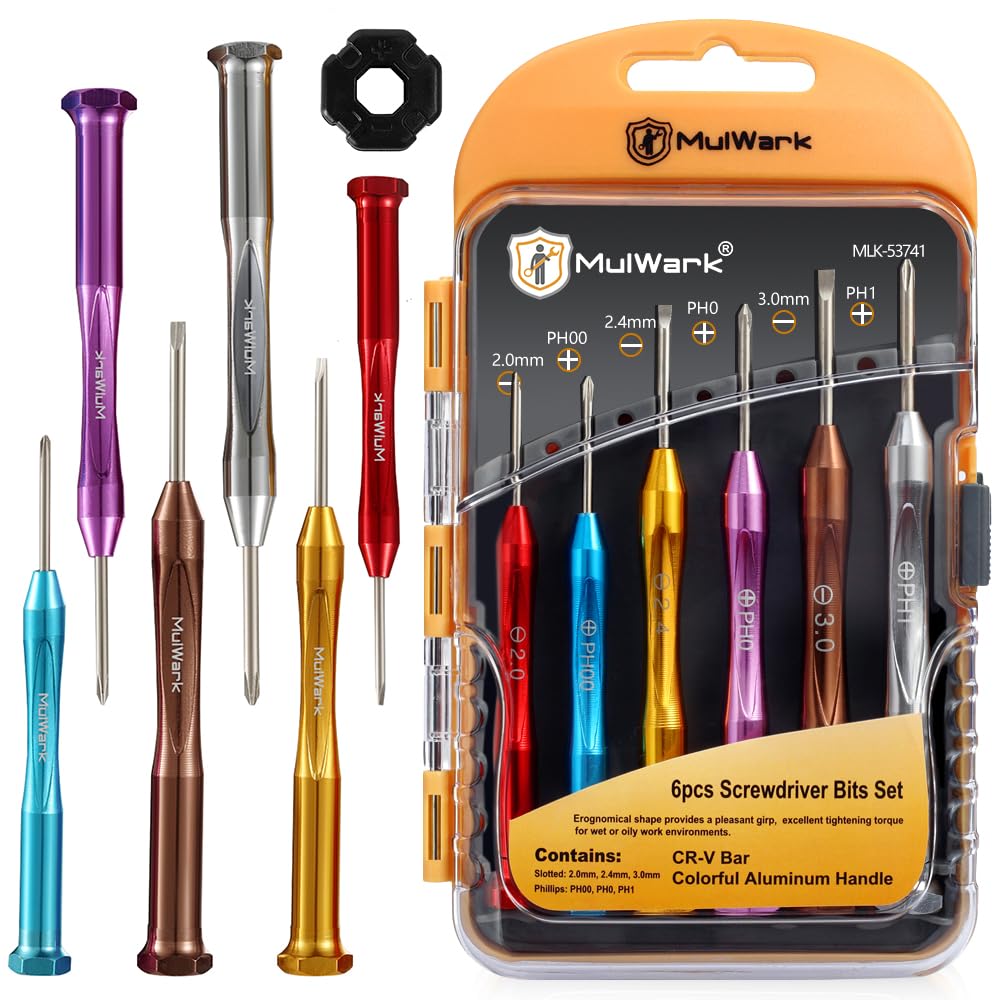
- Includes three slotted and three Phillips screwdrivers, including PH00, PH0, and PH1 tips.
- Magnetic tips help hold tiny screws during repair work.
- The six tools store in a compact, clear-view case.
Best Gift For: A vintage electronics restorer who works with small screws in delicate repairs.

HOTO Rechargeable Electric Screwdriver Set
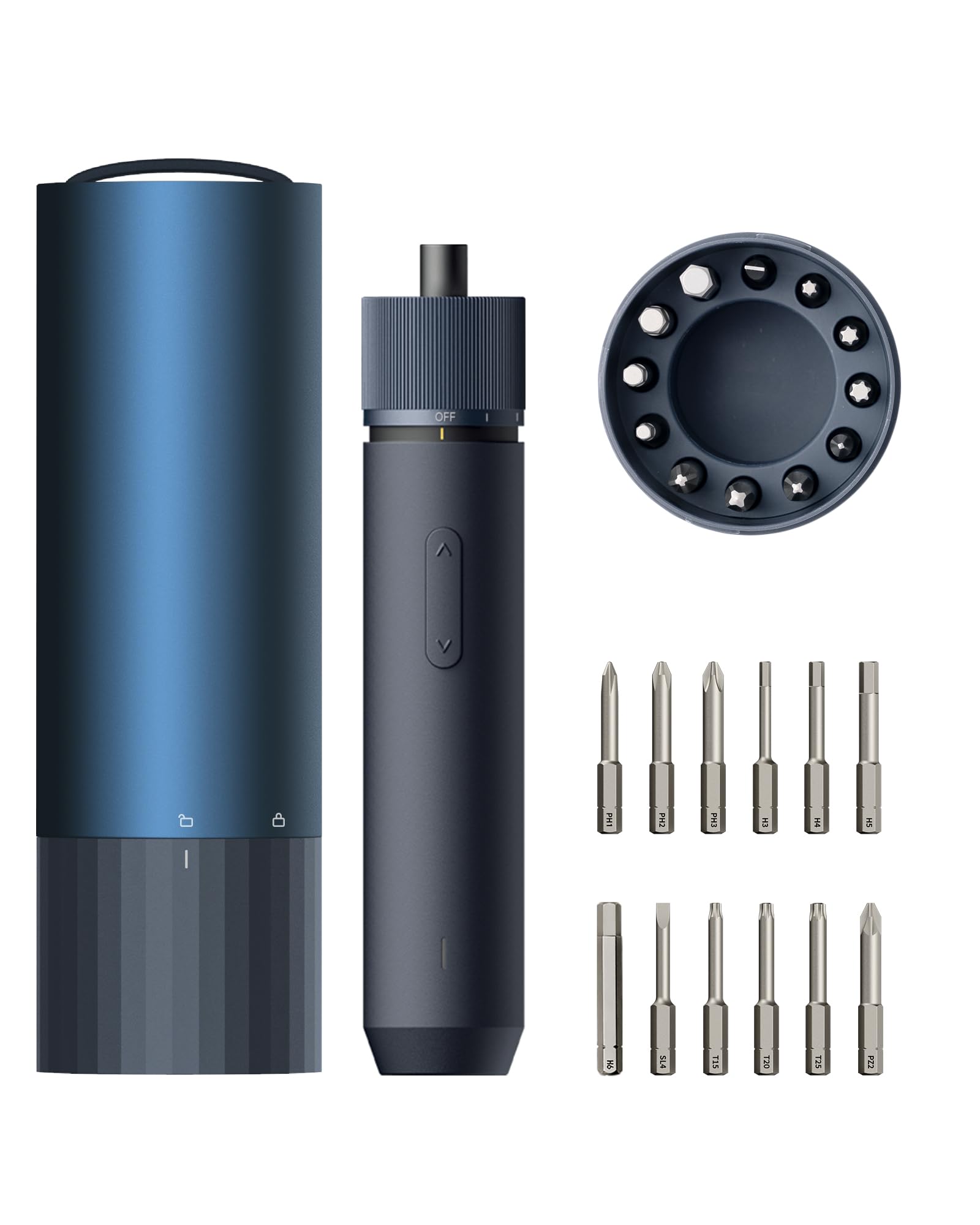
- Cordless screwdriver set includes 12 S2 metal bits and a magnetic bit tip.
- Three torque settings support adjustment for different tasks.
- Built-in LED lighting and USB-C charging are included.
Best Gift For: A restorer who often handles screw fastening during electrical repairs or workshop projects.
Blukar Rechargeable LED Headlamp
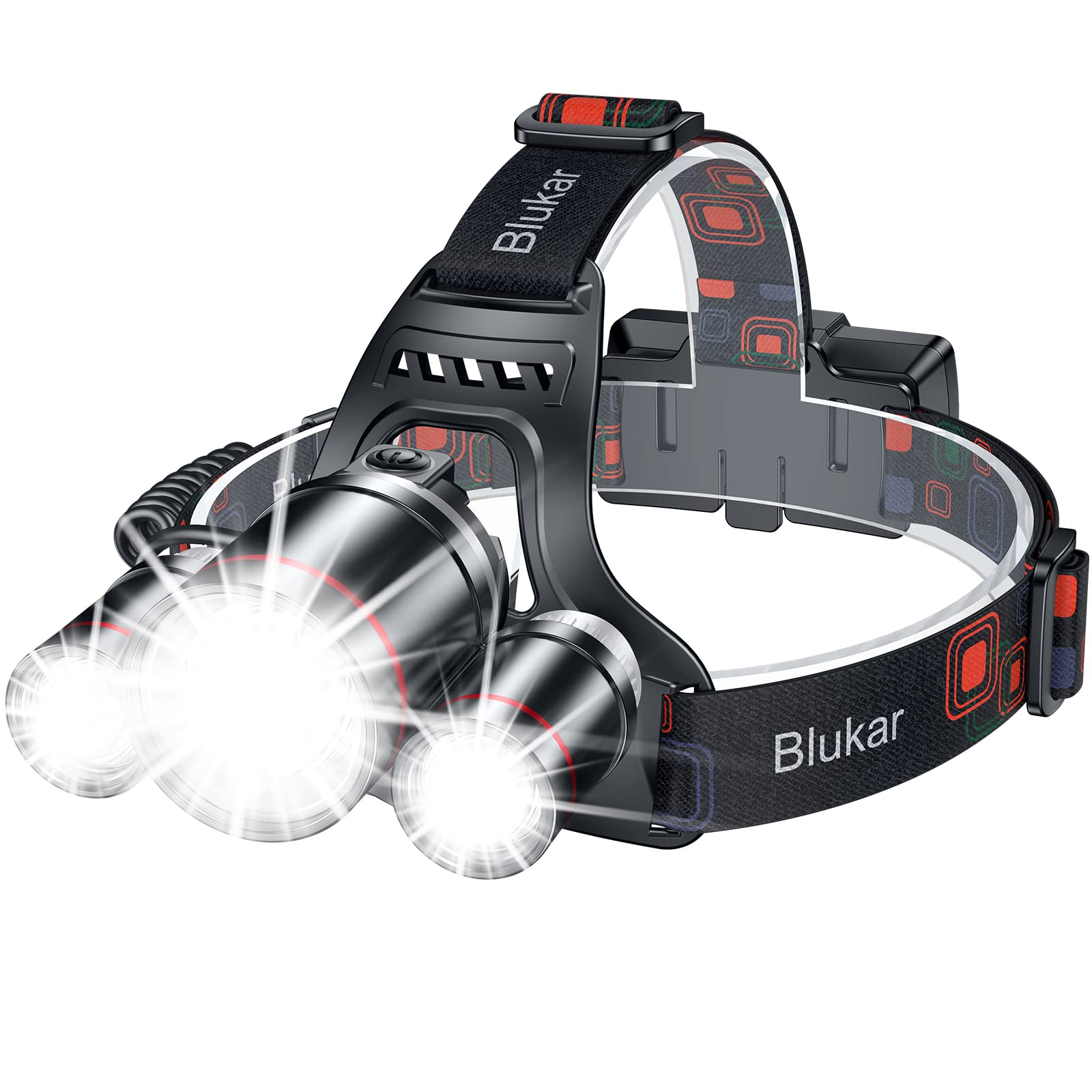
- Offers five light modes, with a zoomable beam that can switch between spotlight and floodlight.
- The headlamp pivots to adjust the beam direction.
- USB-C rechargeable and rated IPX6 waterproof.
Best Gift For: A restorer who wants hands-free light for close work or checking equipment in dim spaces.
Phomemo D30 Bluetooth Label Maker
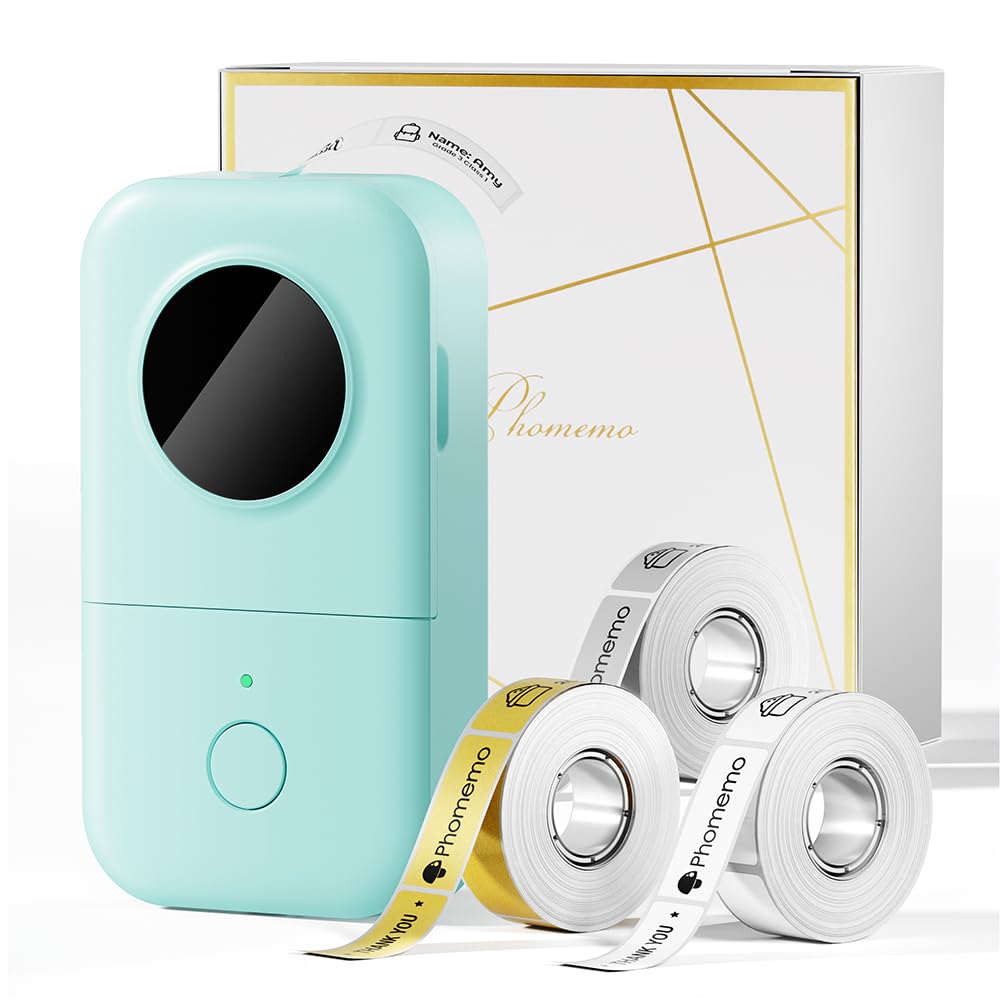
- Includes white, gold, and clear label tapes.
- Prints black text with direct thermal technology, so it does not require ink, toner, or ribbons.
- Bluetooth connection and templates, fonts, and symbols support label creation from mobile devices.
Best Gift For: A restorer who likes labeling parts, cables, storage, or project files.
Pink Power Tool Organizer 2-Pack
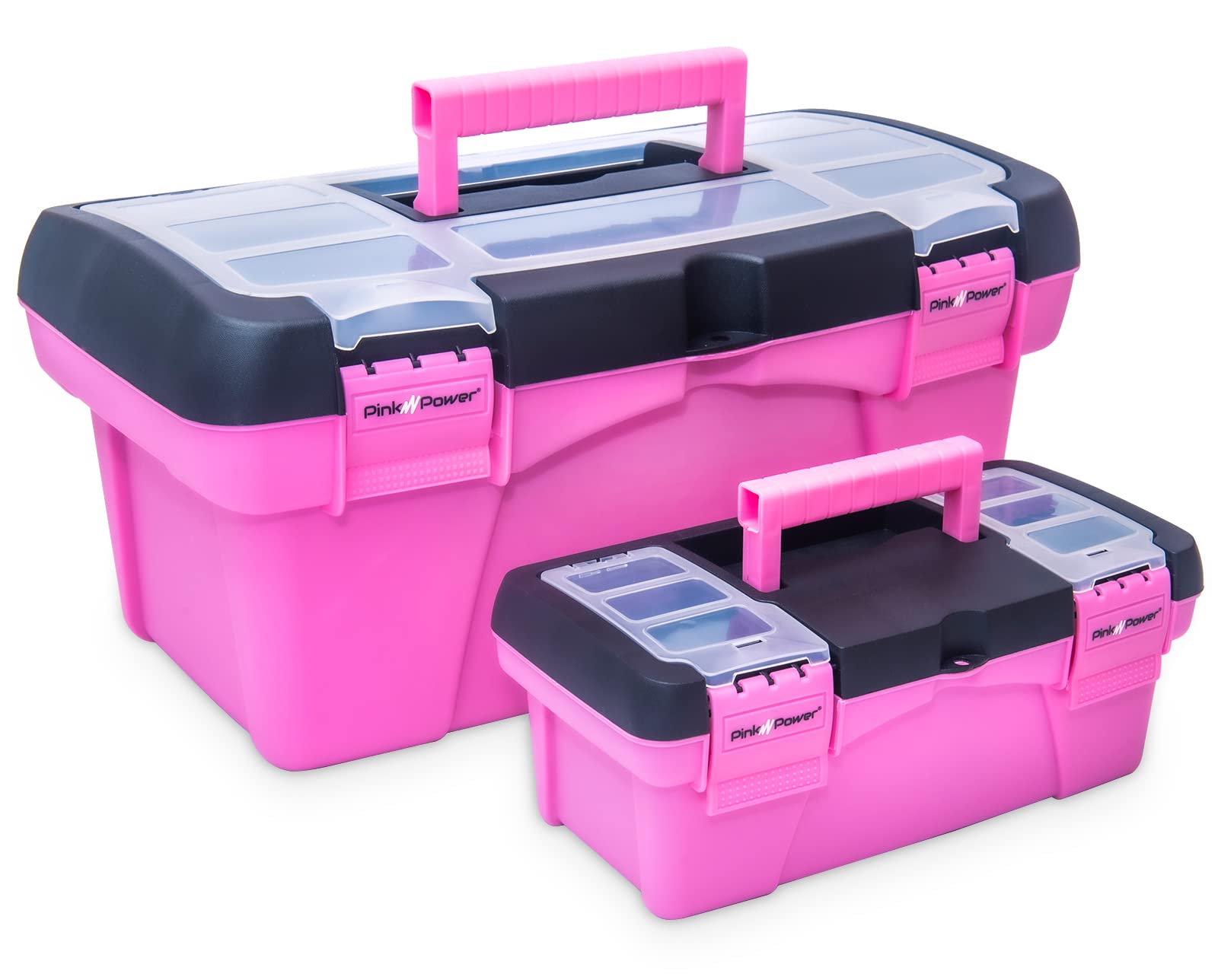
- Includes a large toolbox and a mini toolbox, each with an interior tray.
- Both boxes have compartments and trays for organizing tools and supplies.
- Each toolbox has dual locking latches and padlock eyes.
Best Gift For: A restorer who wants separate portable boxes for tools, parts, or project supplies.
Syncwire Clear Cable Clips, 5-Pack
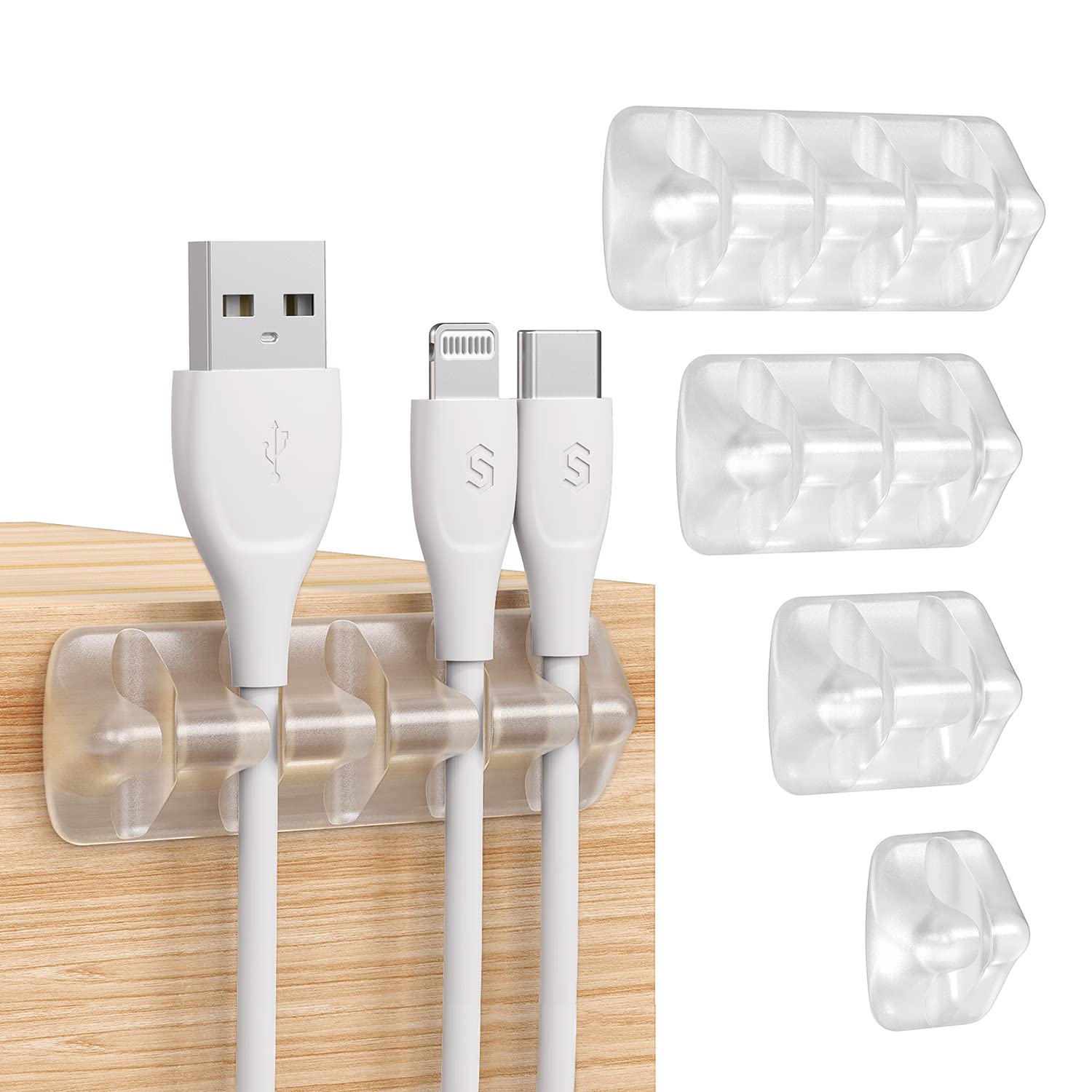
- Set includes 15 slots across five packs of clear cable clips.
- Flexible silicone holders accommodate different cables and cords.
- Self-adhesive pads attach to smooth, clean surfaces.
Best Gift For: A restorer who wants to keep frequently used cords organized at the bench or desk.
TREBLAB HD77 Waterproof Bluetooth Speaker
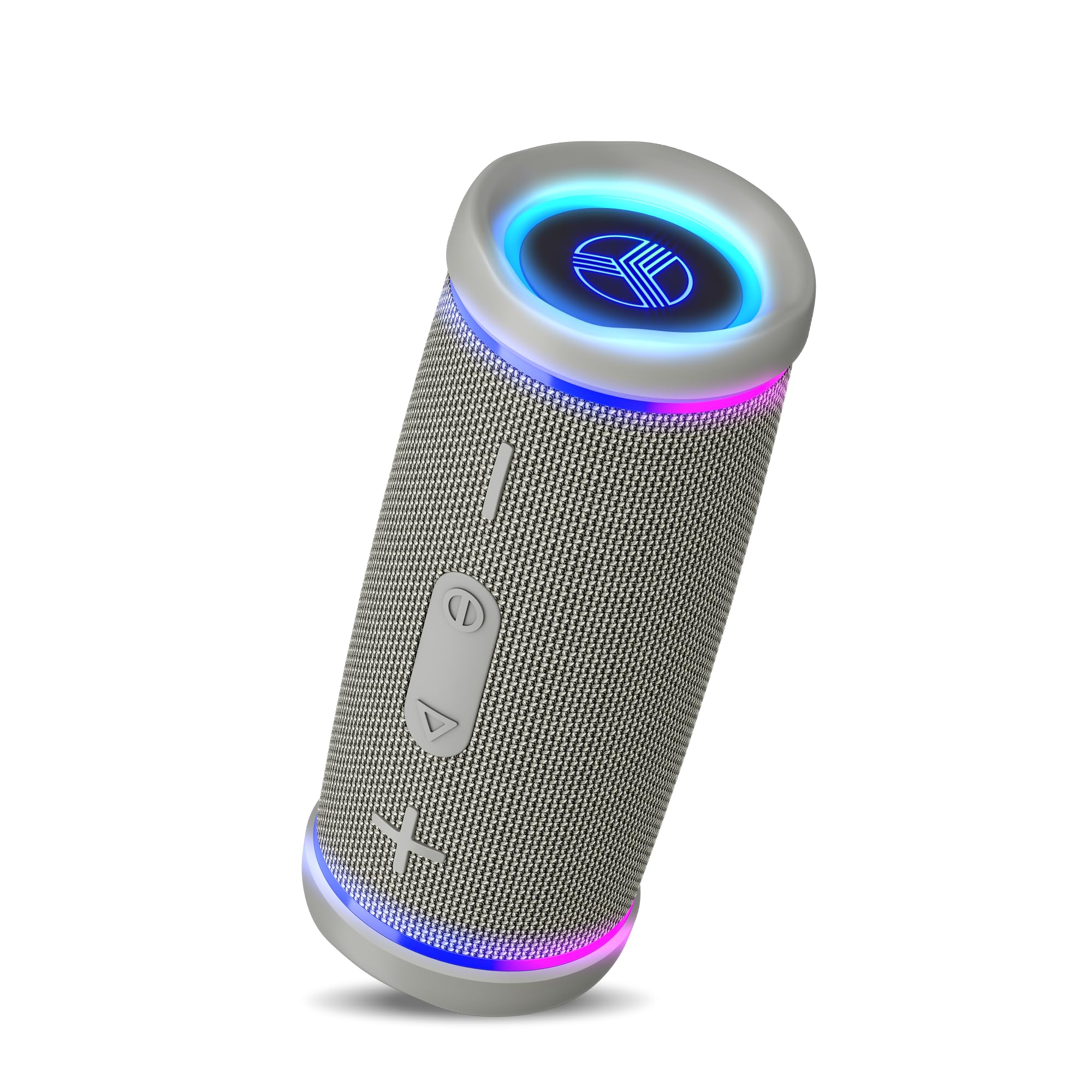
- Connects through Bluetooth or an AUX input, with a built-in microphone for hands-free calls.
- RGB lights pulse with music and can be turned off independently.
- USB-C charging supports up to 20 hours of playback.
Best Gift For: A vintage electronics enthusiast who enjoys music or audiobooks while working or relaxing outdoors.
Choosing gifts for people who restore vintage electronics
Start with the recipient’s usual projects and working style. Someone who opens small mechanisms may value precision tools, while a restorer who spends time assembling enclosures or doing electrical repairs may prefer a powered driver.
The right choice depends on what they already own and how much control they like during careful work.
Consider the whole bench, too. A person with parts scattered across drawers may appreciate a labeling system or storage boxes; someone with cords crossing the work surface may benefit from cable clips.
If they often work where light is limited, hands-free illumination can make the workspace more comfortable. These gifts address different routines, so look for the one that fits a real annoyance they have mentioned.
When unsure, choose an accessory that works alongside existing tools rather than assuming a new tool will suit every project. A small organizational gift can still be useful even when the recipient already has a favorite soldering or repair setup.
Set a comfortable budget for vintage electronics gifts
Think about the occasion and the recipient’s existing equipment before settling on a budget. Small workshop accessories can make thoughtful thank-you gifts, while a larger tool purchase may fit a milestone or a close family occasion.
The most useful choice is often the one that solves a recurring problem, regardless of category.
For a lower-commitment gift, consider something that supports organization or keeps essential items close at hand. A more substantial pick can make sense when you know the person wants that kind of tool and does not already have a preferred version.
Check actual prices before buying, since costs can change.
If several people are contributing, coordinate around one item the recipient has mentioned needing. That can be more useful than assembling a bundle of unrelated accessories.
For a solo gift, pair the item with a short note explaining the workshop task you had in mind, without suggesting it replaces their established equipment.
Personalize gifts for people who restore vintage electronics
A useful gift feels personal when it connects to the recipient’s projects. If they label components or keep notes, add a card suggesting they use the gift for a specific radio or device they are currently restoring.
For a tool or organizer, you might include a handwritten tag with a practical reminder about the bench task it could support.
Presentation can stay simple and workshop-friendly. Wrap the item securely, especially if it has a case or several small parts, and keep any included accessories together.
A small notebook or a handwritten project note can add a personal touch without adding equipment the recipient may not need.
For a shared workshop, consider how the gift will fit among existing tools and supplies. Color, storage footprint, and preferred organization style can matter.
Check dimensions and compatibility where relevant, and avoid buying consumables or accessories unless you know they work with the recipient’s setup.
Last-minute shopping advice for vintage electronics restorers
If time is short, favor gifts with a clear use and straightforward setup. A compact organizer or a set of cable holders can be easier to choose than a specialized tool when you do not know the recipient’s exact preferences.
For powered or rechargeable products, read the current product details and confirm the charging connection suits their available setup.
Before placing an order, check current prices, dimensions, included accessories, compatibility, and delivery estimates. Those details can change and are especially useful to confirm when a gift needs to fit a particular workspace or tool collection.
Avoid assuming an item will work with every vintage device or repair method.
If an item may not arrive in time, a printed card describing the gift or a note with a picture can make the occasion feel complete. You can give the recipient a chance to confirm fit or preferences before ordering.
That approach keeps a practical gift thoughtful, even when the workshop setup is specific.
Make the workshop gift useful
The strongest gift is one that fits naturally into the recipient’s routine. Notice whether they spend more time opening equipment, tracking small parts, organizing the bench, or listening while they work.
A little attention to those habits can guide a more personal choice than selecting by tool category alone.
If you are still uncertain, ask someone who shares the workshop or choose a flexible accessory that complements what the recipient already uses. Check details before purchase, then include a concise note about why you thought of them.
A practical gift can show care for both the restoration projects and the person behind them.